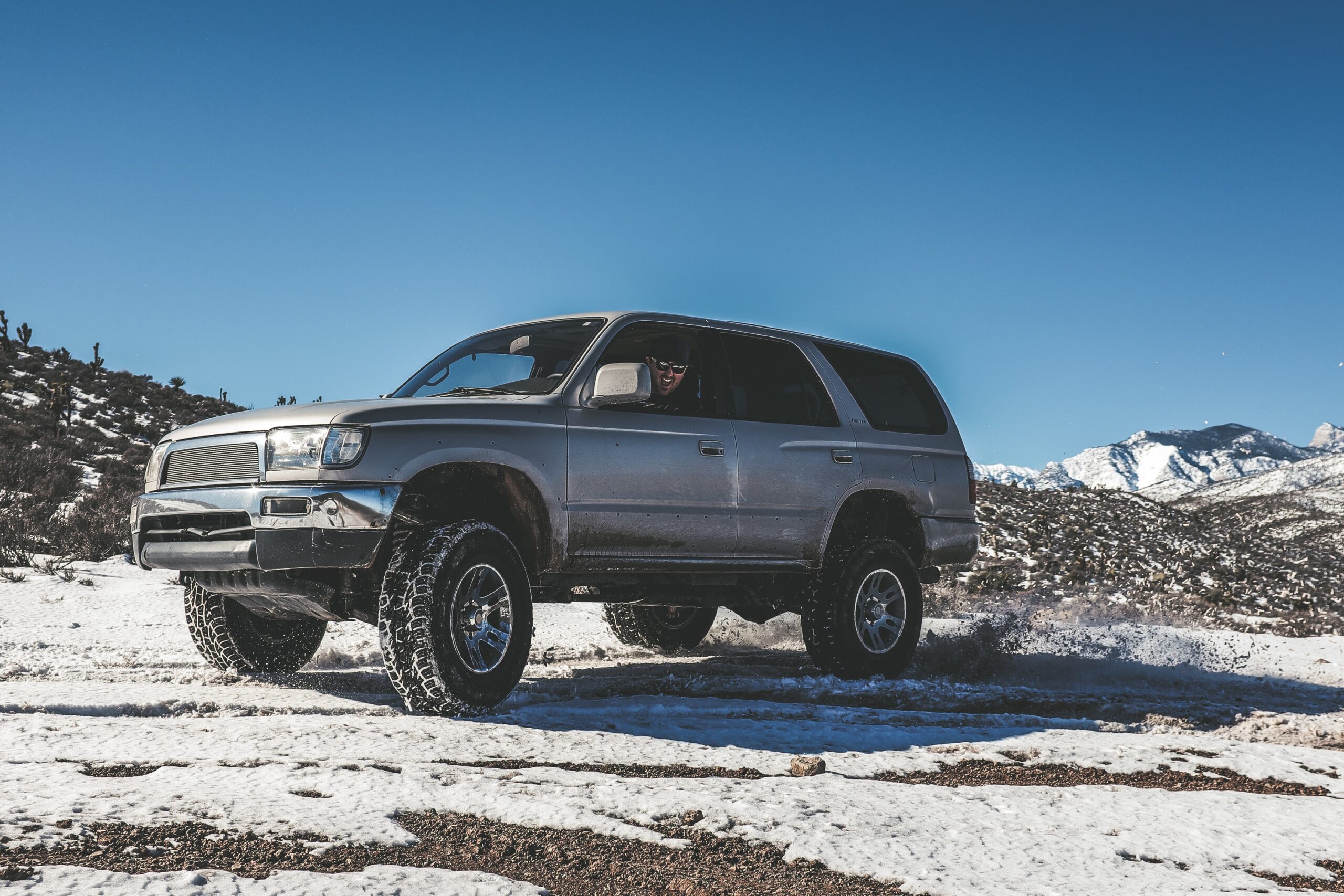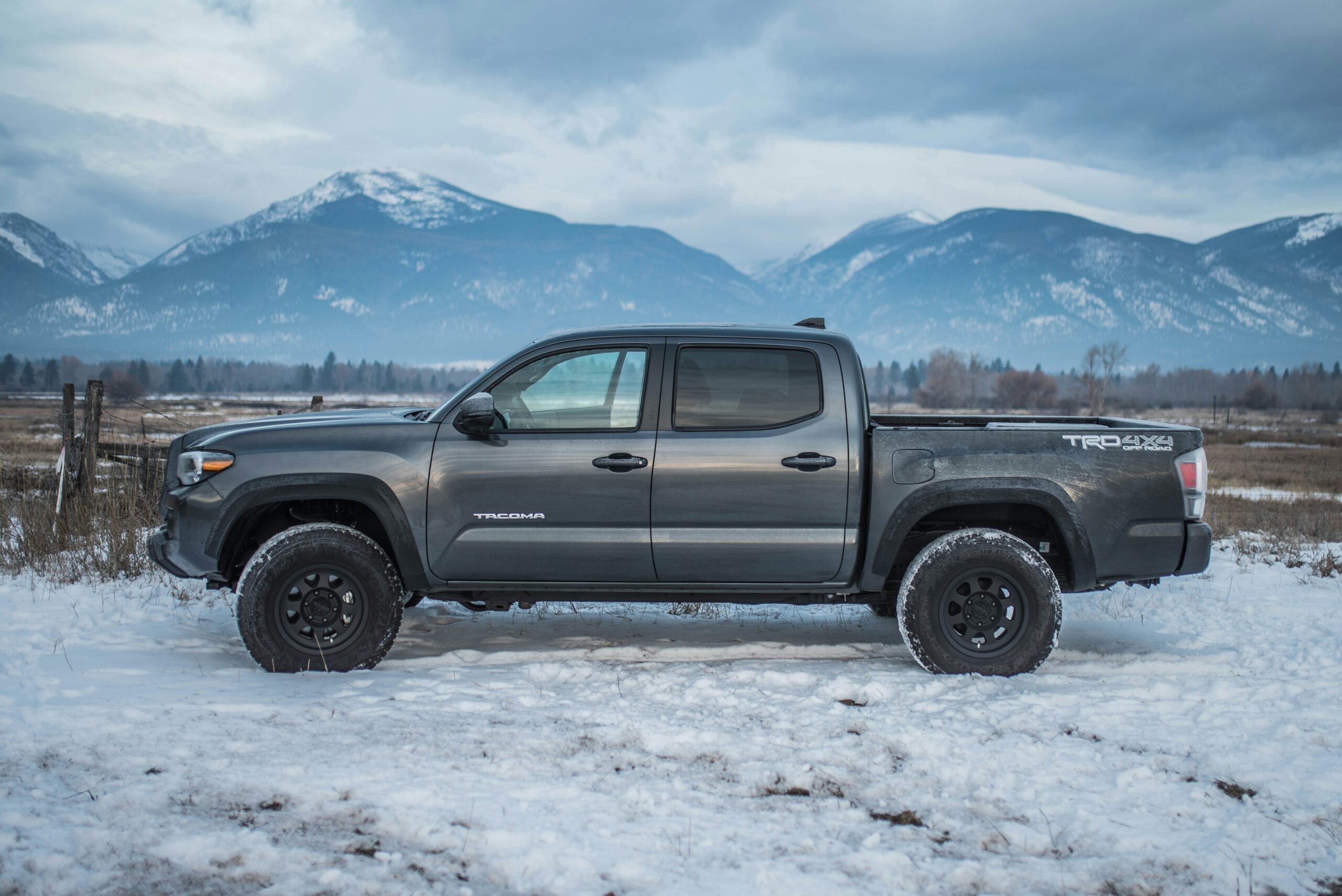
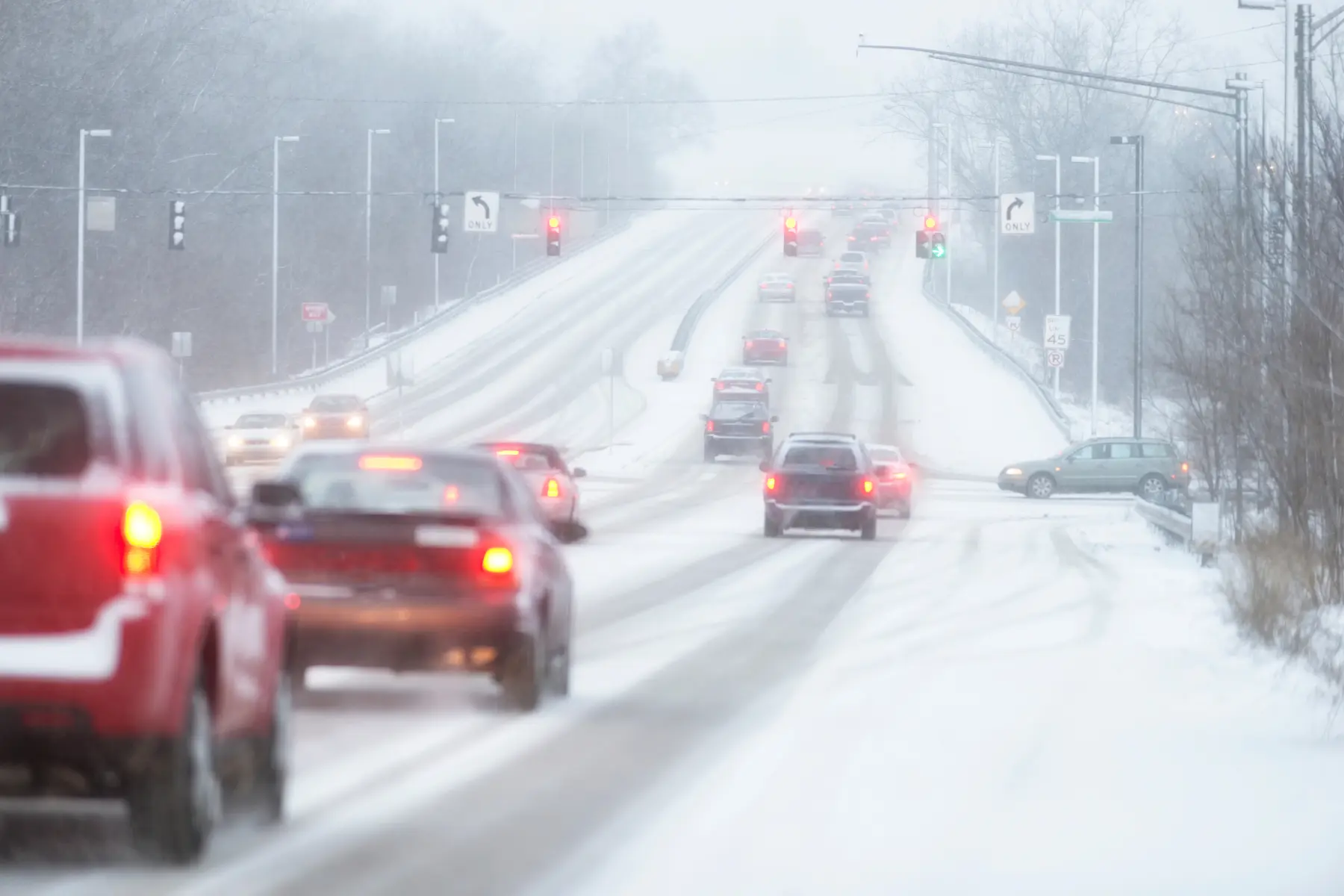
As the temperature drops and winter approaches, preparing your car for the cold season becomes essential. Winter car care guide emphasizes the need for vehicle winterization to ensure safety, reliability, and performance in freezing conditions. Winter poses unique challenges for vehicles, from icy roads to sub-zero temperatures, affecting everything from the battery to the tires. Proactive winter preparation can prevent unexpected breakdowns, enhance safety, and extend the lifespan of your car. It’s not just about adding antifreeze or changing to winter tires; it’s about a comprehensive check that ensures every part of your vehicle is ready to face the harsh winter weather.
Vehicle Winterization Essentials
Step-by-Step Guide to Ice-Proofing Cars
Preparing your car for the winter months is crucial to ensure that it remains functional and safe to use, even in the harshest weather conditions. Here’s a guide on how to effectively ice-proof your vehicle:
- Apply De-icer Solution: Begin by applying a high-quality de-icer solution to the locks and door frames of your car. This preventive measure is essential for ensuring that your car’s locks do not freeze overnight, which can render the doors impossible to open without causing damage. A good de-icer can quickly melt ice and prevent it from reforming, making it easier to maintain access to your vehicle during cold spells.
- Use a Protective Tarp: Covering your car with a protective tarp overnight is an effective strategy to combat ice formation on the windshield and windows. This step is particularly useful for preventing the accumulation of frost and ice, which can take time to remove in the morning and delay your travel. You may avoid sacrificing your visibility by keeping these important areas free of ice with a tarp, which will also save you a great deal of time and work.
- Treat Rubber Seals: Lastly, treating the rubber seals of your car doors with silicone spray is a proactive measure to prevent the doors from sticking shut. The cold weather can cause the moisture around the door seals to freeze, making it difficult to open the doors. Silicone spray not only prevents the seals from freezing but also preserves their condition, preventing them from cracking or tearing due to the cold.
Implementing these steps as part of your winter car maintenance routine can greatly enhance your vehicle’s usability and safety during the cold months. Ice-proofing doesn’t just contribute to a more convenient start to your day; it also ensures that your car remains in good condition, preventing costly repairs and extending the life of important components.
Exterior Protection and Cleaning
Winter brings not only freezing temperatures but also a host of exterior hazards for your vehicle. Chief among these is road salt, which is commonly used to melt snow and ice but can accelerate rust and corrosion on your car’s body and undercarriage. To guard against these threats, adopting a proactive approach to exterior protection and cleaning is essential.
Commit to regular car washes throughout the winter months, especially after snowstorms or whenever you notice salt accumulation on your vehicle. Salt and de-icing chemicals can cling to your car’s paint, wheels, and frame, eventually eating through protective layers and exposing metal to moisture. Also, focus on washing the undercarriage, as this area is particularly vulnerable to salt buildup and is often overlooked during routine cleaning. Many car washes offer an undercarriage rinse option specifically for this purpose. If you prefer washing at home, use a hose with good pressure to thoroughly rinse the wheel wells and the underside of your vehicle. Beyond cleaning, applying a protective coating or wax to your car’s exterior creates a crucial barrier against winter elements. A high-quality automotive wax or synthetic sealant helps repel water, road salt, and grime, making it more difficult for these substances to adhere to your paint and cause damage. For best results, apply wax before the onset of winter and consider reapplying mid-season if you wash your car frequently or drive in particularly harsh conditions. Newer ceramic coatings offer even longer-lasting protection, forming a hard, hydrophobic layer that shields your car’s finish from both chemical and physical wear.
The Critical Role of Antifreeze
It’s crucial to check the antifreeze level and its freezing point using an antifreeze tester. This simple tool can help ensure that your vehicle’s engine is protected against freezing temperatures. If necessary, flush the cooling system and refill it with a proper antifreeze-water mixture according to the manufacturer’s recommendations. Remember, a well-maintained cooling system is key to avoiding engine damage during the winter months.
Ensuring Proper Fluid Levels for Winter
Maintaining proper fluid levels is crucial for winter car care. This includes checking the oil, brake fluid, transmission fluid, and power steering fluid. Cold weather can thicken fluids, making it harder for your car to operate. Using winter-grade oil, which has a lower viscosity, can help ensure your engine runs smoothly. Additionally, ensure your windshield washer fluid is full and rated for freezing temperatures to maintain visibility during snow and sleet.
Brakes and Safety Systems: Ensuring Reliable Stopping Power in Winter
When preparing your car for winter, one of the most critical yet sometimes overlooked aspects is ensuring that your brakes and safety systems are in optimal condition. As temperatures drop and roads become slick with ice, snow, or slush, your vehicle’s ability to stop quickly and safely can be compromised. Unlike dry pavement, winter surfaces significantly reduce tire traction, increasing the distance required to come to a complete stop.
Start by having your entire braking system thoroughly inspected by a qualified mechanic before the winter season begins. This inspection should cover not only the brake pads and rotors but also the brake fluid level and quality, as well as the condition of brake lines and calipers. Worn pads or warped rotors can greatly reduce braking effectiveness, while old or contaminated brake fluid may lead to diminished hydraulic pressure, resulting in a spongy brake pedal or delayed response. In winter, even a split-second delay in stopping can make the difference between a close call and an accident. It’s also important to pay attention to warning signs such as squealing, grinding, or vibrations when braking, as these can indicate underlying issues that need immediate attention. Don’t ignore dashboard warning lights related to the braking system, as modern vehicles are equipped with sensors that can detect problems before they become severe. If you notice your car pulling to one side when braking, or if the pedal feels unusually soft or hard, have your brakes checked right away.
Beyond the brakes themselves, winter safety also depends on other critical systems. Anti-lock braking systems (ABS) and electronic stability control (ESC) are designed to help you maintain control during sudden stops or when maneuvering on slippery surfaces. Ensure that these systems are functioning properly by checking for any dashboard alerts and having a professional diagnose and repair any faults. Properly working ABS can prevent wheel lock-up, allowing you to steer while braking, while ESC helps keep your vehicle stable during skids or slides. Remember that winter conditions can cause road salt and moisture to accelerate rust and corrosion on brake components, particularly in areas with frequent snow and ice. Regularly washing your car’s undercarriage and scheduling periodic brake inspections throughout the season can help prevent long-term damage.
Battery Maintenance for Colder Temperatures
How Cold Weather Affects Car Batteries
Low temperatures reduce the battery’s ability to hold a charge while increasing the engine’s demand for power during startup. This can lead to situations where your car might not start on a cold winter morning. The chemical reactions within the battery slow down in cold conditions, diminishing its capacity and, consequently, its reliability.
Car Battery Maintenance Tips in Winter
Ensuring your car’s battery remains healthy through the winter is crucial for avoiding unexpected breakdowns and maintaining your vehicle’s reliability. Here are detailed tips to help you keep your battery in optimal condition during the colder months:
- Regularly Check the Battery Charge: It’s important to monitor the state of charge of your car’s battery, especially during winter. Using a car battery tester can help you keep tabs on its condition. Batteries should be kept fully charged to prevent the electrolyte from freezing, as frozen electrolytes can cause irreversible damage to the battery. A fully charged battery also ensures that your car starts more easily in cold conditions.
- Keep the Battery Terminals Clean: Corrosion on the battery terminals can significantly impede electrical flow, making it more difficult for your car to start. Cleaning the terminals with a solution of baking soda and water can remove corrosion effectively. After cleaning, applying a thin layer of petroleum jelly can help prevent future corrosion, ensuring a better connection and prolonging the battery’s life.
- Insulate Your Battery: Using a battery insulation blanket can protect your battery from extreme temperatures. These blankets help maintain a more stable temperature around the battery, protecting it from the cold’s adverse effects and extending its overall lifespan. This is particularly beneficial for preventing the battery fluid from freezing and ensuring that your car starts even on the coldest days.
- Limit Short Trips: Frequent short trips can be detrimental to your battery’s health, as they don’t allow the battery to recharge fully. To avoid this, try to combine errands into longer trips, giving your battery sufficient time to recharge. By ensuring that your battery keeps a full charge more frequently, this approach can greatly extend its lifespan.
- Consider a Battery Warmer: For those living in extremely cold climates, a battery warmer can be a valuable investment. By keeping your battery at a more operational temperature overnight, a battery warmer ensures better performance in the morning, making it easier for your car to start in freezing conditions.
Following these tips can make a significant difference in your car battery’s performance and reliability during the winter months. Regular maintenance and a little extra care can prevent common cold-weather problems, ensuring that your vehicle remains ready to go, regardless of how low the mercury drops.
Seasonal Tire Management
The Need for Winter Tires
Winter tires are specifically designed to provide better traction, handling, and safety in cold, icy, or snowy conditions. Unlike all-season tires, winter tires are made from a softer rubber compound that remains flexible in cold weather, allowing for a better grip on the road. This flexibility helps reduce the braking distance and improves vehicle control, significantly reducing the risk of accidents in winter conditions. The decision to switch to winter tires is a critical aspect of winter car prep.
Step-by-Step Seasonal Tire Changeover
Transitioning from all-season or summer tires to winter tires is a pivotal component of vehicle winterization. This process involves more than just swapping tires; it’s about enhancing your vehicle’s safety and performance during the coldest months. Properly executed, seasonal tire changeover advice ensures that your car maintains optimal traction and stability in winter conditions, providing peace of mind during winter travels.
Maintaining Tire Pressure During Winter
Regular checks of tire pressure throughout the winter months are essential for car maintenance tips. Maintaining the correct tire pressure is crucial for ensuring the best possible contact between your tires and the road, which is especially important in icy or snowy conditions. A properly inflated tire will help to minimize the risk of tire damage and accidents, making this a simple yet effective step in your winter car care routine.
Assembling Your Emergency Car Kit
Essentials for Your Winter Car Kit
This kit should include items specifically chosen to assist you in the event of a vehicle breakdown or other emergencies during cold weather. Key components include a flashlight with extra batteries, a first-aid kit, a portable battery charger, jumper cables, sand or cat litter for traction, and a snow shovel. Having these items readily available can make a significant difference in safety and comfort if you find yourself stranded in cold conditions.
Adding Extra Warmth: Blankets and Clothing
In addition to mechanical tools and supplies, your emergency car kit essentials should include items to keep you warm and protected against the cold. High-quality thermal blankets, extra winter clothing, gloves, hats, and waterproof boots can be lifesavers if you’re stuck in your car during a snowstorm or extreme cold. These items provide essential warmth, helping to prevent hypothermia and ensuring you remain comfortable until help arrives or conditions improve.
Tools and Supplies for Winter Emergencies
This includes items like a windshield scraper and brushes for removing ice and snow, a tow rope in case your vehicle needs to be pulled from a ditch, and hand warmers for additional heat. Including a small, foldable shovel can also be invaluable if you need to dig your vehicle out of snow. These tools can significantly ease the challenges posed by winter weather, helping you to remain safe and get back on the road more quickly. Non-perishable snacks, such as energy bars and nuts, alongside bottled water, can sustain you if you’re stranded for an extended period. As mentioned before, a basic first-aid kit can address minor injuries or health issues until you’re able to receive professional medical attention. These supplies are not just about physical sustenance; they also provide a sense of security and preparedness.
Windshield and Heating System Care
Winter Windshield Care Tips
Maintaining a clear view through your windshield is essential for safe driving during the winter months. You have to ensure your wiper blades are in good condition and designed for winter use. These special blades can handle heavy snow and ice buildup more effectively than standard ones. Additionally, using a windshield washer fluid formulated for low temperatures prevents freezing and helps in removing road salt and grime.
Solutions for Defrosting and Deicing
Effective defrosting techniques for cars are vital for removing ice and snow from your windshield and windows. Applying a deicing solution can quickly melt ice, while running your defroster helps clear the windshield without causing temperature-induced cracks. For a homemade deicer, mixing three parts vinegar with one part water and spraying it on your windshield the night before can prevent ice formation.
Checking and Maintaining Your Car’s Heating System
A proper check of a vehicle heating system is crucial not only for your comfort but also for your safety on winter roads. Ensuring that your car’s heater and defroster are working efficiently before the cold weather hits can make a significant difference. A mechanic can inspect these systems to identify any issues, such as leaks or malfunctions in the heating core, that might prevent them from operating effectively.
Preventing and Handling Interior Fogging
To prevent this, make sure to keep the inside of your windows clean, as dirt and residue can attract moisture. Using your car’s air conditioning to remove humidity from the cabin, even in cold weather, can help reduce fogging. If fogging occurs while driving, opening your windows slightly to allow for air exchange or using a defogging mode on your climate control system can quickly clear up the fog.
Wipers, Defrosters, and Visibility Checks
Ensuring clear visibility is one of the most critical aspects of winter car care, and this starts with your windshield wipers and defrosters. As snow, ice, and road grime become regular hazards, your vehicle’s wiper blades play a frontline role in keeping your view unobstructed. Standard wiper blades often stiffen and lose effectiveness in freezing temperatures, leading to streaks and missed spots on your windshield. That’s why it’s recommended to switch to winter-specific wiper blades before the first frost. These blades are designed with sturdier frames and a rubber coating that resists ice buildup, maintaining flexibility and performance in cold conditions. To inspect your wiper blades, lift each blade away from the windshield and run your finger along the rubber edge. As a rule of thumb, replace your wiper blades at least once a year, or sooner if they show signs of wear. When replacing, ensure the new blades are the correct size for your vehicle—refer to your owner’s manual or the sizing chart at your auto parts store. Remove the old blade by pressing the release tab and sliding it off the arm, then attach the new blade by snapping it securely into place. Test the new blades with washer fluid to confirm smooth, even contact across the windshield. Defrosters are equally vital for safe winter driving, as they quickly clear interior condensation and exterior frost that can obscure your vision. Before winter sets in, it’s important to test your vehicle’s front and rear defrosters to ensure they’re functioning correctly. Here’s a simple checklist for testing your defrosters:
- Start your car and set the climate control to the defrost mode.
- Adjust the temperature to warm and the fan to high.
- Observe how quickly the windshield begins to clear—effective defrosters should start making a difference within a few minutes.
- For the rear window, activate the rear defroster switch and check that the heating lines embedded in the glass begin to clear any fog or frost.
- If you notice slow clearing, uneven heating, or non-functioning elements, have the system inspected by a professional.
Regularly testing and maintaining your wipers and defrosters ensures you’re prepared for winter’s worst, keeping your line of sight clear and your journeys safer.
Advanced Winter Driving Preparations
Snow Chain Installation Guide
In areas where snow and ice cover the roads, snow chain installation can provide the necessary traction to keep you moving safely. Before winter arrives, practice putting the chains on your tires in a dry, warm place to ensure you’re prepared. Always follow the manufacturer’s instructions closely to secure the chains correctly, and remember to install them on the drive wheels of your vehicle. Driving slowly and carefully with chains will prevent damage to your vehicle and ensure maximum effectiveness.
Tips for Safe Winter Driving
Slow down to account for decreased traction on snowy or icy roads. Increase your following distance to give yourself more time to stop. Be gentle with the brake and accelerator to avoid skids. If your car does begin to skid, steer in the direction you want to go to regain control. Awareness of safe winter driving practices, including understanding how to react to skidding and the importance of reduced speeds, can significantly increase your safety during the winter months.
With winter’s challenges, being proactive about your vehicle’s maintenance and preparedness can make a significant difference in your driving experience. Regular checks and maintenance not only prolong the life of your vehicle but also ensure your safety and that of your passengers. Embrace the winter season with confidence by following these guidelines, staying informed about your vehicle’s needs, and always being ready for unexpected situations. Remember, a well-prepared driver is a safe driver. Stay warm, stay safe, and enjoy the beauty of winter driving with peace of mind, knowing your vehicle is in top condition for whatever the season throws your way.
About JC Whitney Editorial Team