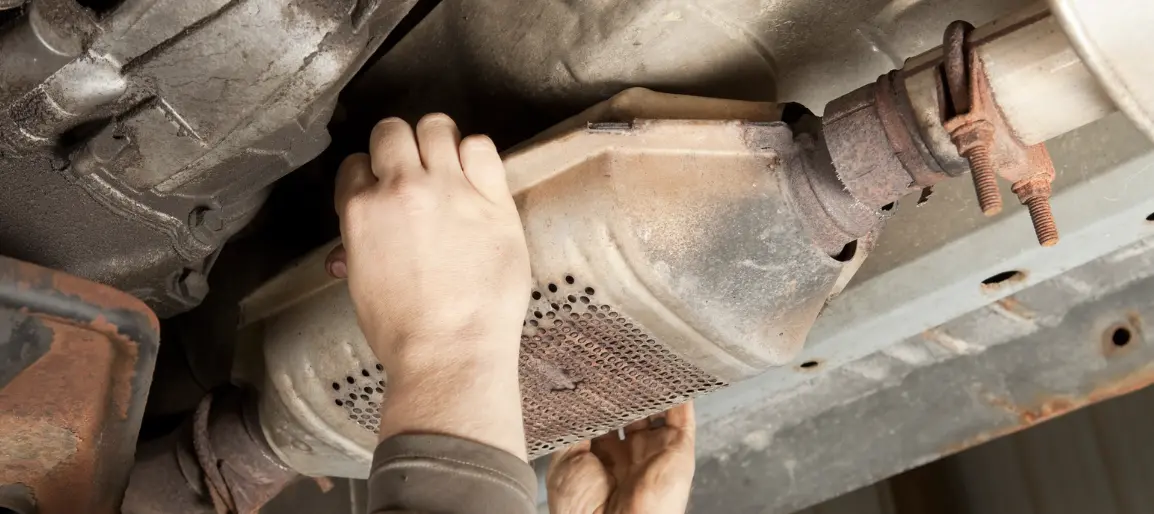

When you dive into the world of car maintenance and upgrades, you’re likely to encounter two terms: OEM car parts and aftermarket car parts. OEM stands for Original Equipment Manufacturer, which means these parts are made by the same company that produced your vehicle or by an authorized manufacturer that supplies parts for your car’s brand. These parts are designed to match exactly what came with your vehicle when it was new, ensuring a perfect fit and reliable performance. On the other hand, aftermarket car parts are produced by different companies not affiliated with the vehicle’s original manufacturer. These parts are often designed to fit multiple vehicle models, offering a wider variety of options and usually at a lower cost. Both types of parts have their place in car care and upgrades, but it’s important to understand their differences to make informed decisions.
OEM Car Parts: Reliability and Quality
Advantages of Genuine Auto Components
These components are crafted with the vehicle’s specifications in mind, ensuring an exact match in terms of dimensions, quality, and performance. The reliability of OEM auto parts is not just a claim; it’s backed by rigorous testing and certification by the car manufacturer. This guarantees that each part will work seamlessly with your vehicle, maintaining its integrity and operating as the manufacturer intended. Opting for OEM means choosing peace of mind, knowing that the part has been designed specifically for your vehicle, therefore eliminating the guesswork and potential for malfunctions associated with incompatible components.
Compatibility and Ease of Selection
Unlike aftermarket parts, which may require modifications or adjustments to fit correctly, OEM parts are designed to be a direct replacement for the original part. This ease of selection simplifies the repair and upgrade process, making it straightforward for vehicle owners and mechanics alike. There’s no need to compare numerous options or worry about whether a part will fit or work correctly; with OEM, you’re getting a component that’s guaranteed to align with your vehicle’s specifications.
Maintaining Vehicle Warranty with OEM Parts
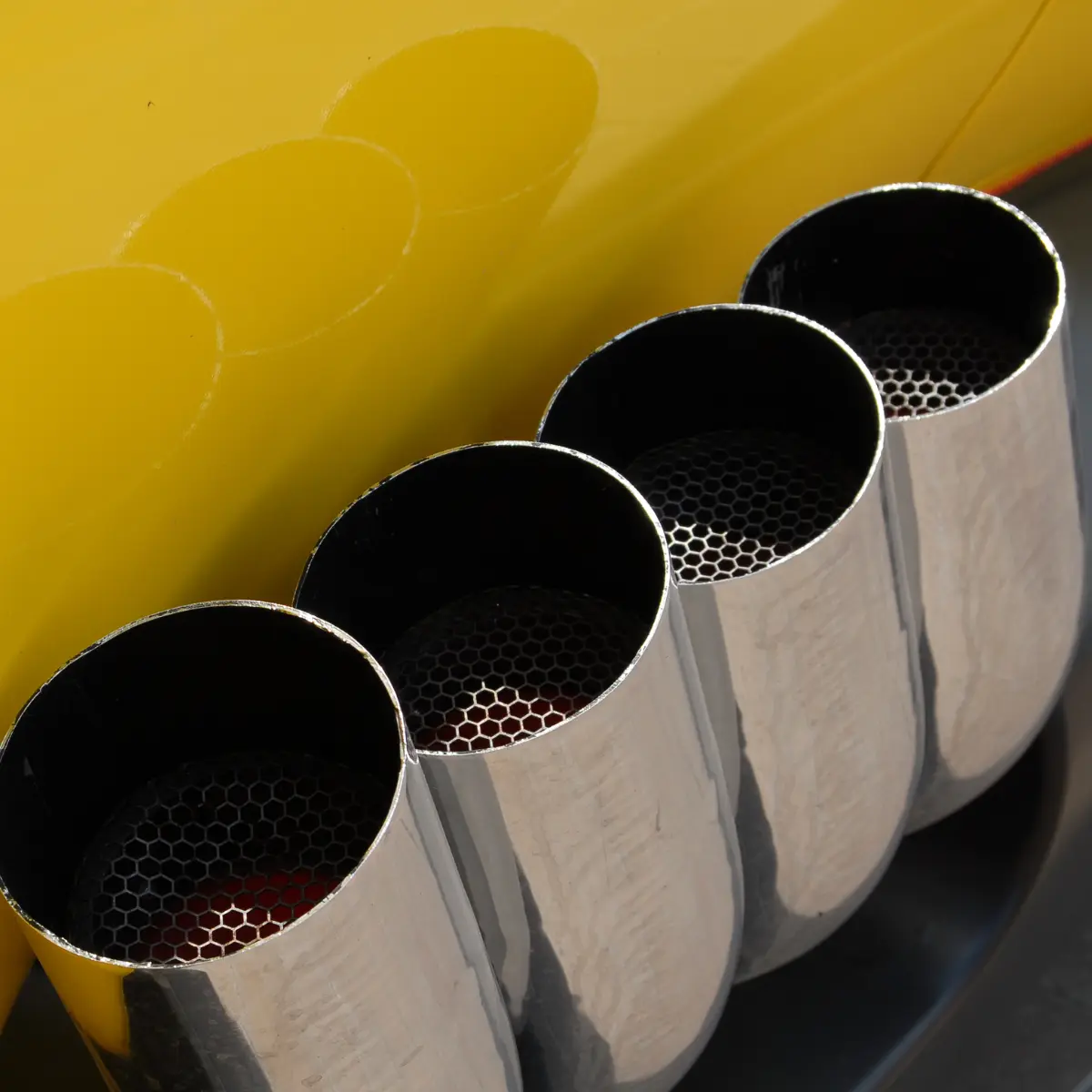
Many car manufacturers stipulate that for the warranty to remain valid, repairs and replacements must be carried out using OEM parts. This is because these parts are seen as an extension of the vehicle itself, maintaining its original quality and performance levels. In contrast, aftermarket parts can sometimes lead to warranty issues if they fail and cause damage to the vehicle, as manufacturers cannot guarantee their quality or compatibility.
The Role of OEM Parts in Car Restoration
Restoring a vehicle to its original glory is not just about aesthetics; it’s about authenticity and historical accuracy. Using OEM parts ensures that every component is as close as possible to what was originally used in the car, from the engine parts to the smallest nuts and bolts. This attention to detail is crucial for maintaining the value and appeal of classic and vintage cars, making OEM parts the preferred choice for projects where authenticity is paramount.
Aftermarket Car Parts: Variety and Cost-Effectiveness
Product Categories and Types
When considering aftermarket car parts, it’s important to recognize the breadth and depth of categories available, each serving a distinct role in maintaining, enhancing, or personalizing your vehicle. Among the most essential categories are transmission parts, which are critical for ensuring smooth power transfer and reliable gear changes. Aftermarket transmission components include torque converters, transmission filters, clutch kits, flexplates, rebuild kits, and gear sets. These parts can be used for routine maintenance, repairs, or performance upgrades, and they offer flexibility for both automatic and manual transmissions. For drivers seeking more responsive shifting or increased durability, aftermarket transmission products can provide significant improvements over worn or aging factory parts.
Another fundamental category is ignition components, which are responsible for starting the engine and sustaining efficient combustion. Aftermarket options in this area include ignition coils, spark plugs, distributors, spark plug wires, and ignition boxes. High-quality aftermarket ignition parts can deliver a stronger spark, resulting in better fuel efficiency, smoother idling, and even increased engine power. This is especially valuable for enthusiasts aiming to extract more performance from their vehicles, as well as for those simply looking to replace failing components with reliable alternatives. The availability of specialized ignition products means that drivers can tailor their choice to their specific vehicle model and driving requirements, whether for daily commuting or high-performance applications.
Fluids and lubricants represent another pivotal category in the aftermarket landscape. These products are designed to protect and optimize the function of a vehicle’s most critical systems. Aftermarket fluids often feature advanced formulations that provide superior resistance to heat, wear, and oxidation, helping to extend component life and maintain peak performance under demanding conditions. Selecting the right fluids is an essential part of regular maintenance, as they play a direct role in preventing breakdowns and ensuring the longevity of various vehicle systems.
Detailing products form a distinct category dedicated to the preservation and enhancement of a vehicle’s appearance. The aftermarket offers a wide array of detailing solutions, including waxes, polishes, sealants, buffers, microfiber towels, and specialty cleaners for both interior and exterior surfaces. These products help protect paintwork from environmental damage, restore shine, and maintain a pristine look over time. Regular detailing not only keeps a car looking its best but also helps retain its value by preventing premature wear and fading. By understanding these categories—transmission, ignition, fluids, and detailing—car owners gain access to a comprehensive range of aftermarket solutions that support both the function and aesthetics of their vehicles, allowing for tailored maintenance and customization to suit any need or preference.
The Broad Spectrum of Aftermarket Solutions
Whether you’re looking to enhance performance, improve aesthetics, or simply replace worn parts, aftermarket solutions provide an abundance of options. Unlike OEM parts, which are made by the vehicle’s manufacturer and tend to offer a narrower selection tailored to specific models, aftermarket parts are produced by different companies and are designed to fit a wide range of vehicles. This broad spectrum of choices allows car owners to find parts that meet their specific needs and preferences, often at a more attractive price point.
Customization Opportunities with Aftermarket Parts
One of the greatest attractions of aftermarket parts is the opportunity they provide for car customization. For those who wish to personalize their vehicles, the aftermarket industry offers endless possibilities. From custom wheels and exhaust systems to unique body kits and advanced lighting solutions, car enthusiasts can transform their vehicles to reflect their personal style and performance preferences. This freedom to customize allows for a level of personal expression that OEM parts often cannot match, due to their focus on maintaining the original specifications of the vehicle. By choosing aftermarket solutions, car owners can create a distinctive look and feel for their vehicles, making them stand out from the crowd.
Cost Benefits of Choosing Aftermarket
As mentioned previously, these parts are less expensive than their OEM car parts counterparts, making them an attractive option for budget-conscious consumers. The competitive nature of the aftermarket industry means that manufacturers are motivated to offer parts that are both affordable and reliable. While it’s true that prices can vary widely depending on the brand and quality of the part, the overall market offers a range of options to suit different budgets.
Navigating Quality and Selection
The vast selection of aftermarket parts available can be both a blessing and a challenge. On one hand, it offers car owners the flexibility to choose parts that best suit their needs and budget. On the other hand, the sheer volume of options can make it difficult to determine the quality and reliability of OEM auto parts versus aftermarket alternatives. Consumers need to conduct thorough research, read reviews, and seek advice from trusted sources. By carefully navigating the aftermarket world, car owners can find high-quality parts that offer both performance enhancements and value for money.
The Importance of Customer Reviews and Testimonials
When it comes to selecting aftermarket car parts, customer reviews and testimonials play a pivotal role in guiding purchasing decisions. The sheer variety of aftermarket products on the market can be both empowering and overwhelming for consumers. Unlike OEM parts, which are standardized and backed by the vehicle manufacturer, aftermarket options vary widely in terms of quality, fit, and performance. In this environment, customer feedback becomes an essential resource for buyers seeking reliable, real-world insights. Reviews provide firsthand accounts of product experiences, highlighting factors such as ease of installation, compatibility with specific vehicle models, durability, and overall satisfaction. These details can reveal potential issues or unexpected benefits that product descriptions alone may not capture.
Testimonials also serve as a trust-building mechanism, especially for those shopping online or purchasing from unfamiliar brands. When prospective buyers see positive feedback from other car enthusiasts or everyday drivers, it reassures them that the product has been tested and approved in real-world conditions. This social proof is particularly valuable in the automotive aftermarket, where consumers often rely on the experiences of others to measure whether a part will meet their needs. For example, a testimonial describing how a particular suspension component improved handling or how a set of brake pads performed under demanding conditions can be far more persuasive than technical specifications alone. Moreover, customer feedback often includes insights into the retailer’s service quality, such as shipping speed, packaging, and customer support responsiveness. This information helps buyers make informed choices not just about the part itself, but also about where to purchase it. A company that consistently receives positive reviews for its support and hassle-free return policies is more likely to win repeat business and referrals. On the other hand, negative reviews can alert buyers to recurring problems, such as poor fit or subpar materials, prompting them to explore alternative options.
Shopping Experience and Convenience
Enhancing the shopping experience for aftermarket car parts has become a priority for leading online retailers, and several features now make the process easier, faster, and more accessible for consumers. One of the most impactful advancements is the ability to navigate websites by part type or vehicle model. Many platforms now offer intuitive menus and search tools that allow users to filter products based on their specific car make, model, and year, or to browse by categories such as exhaust, suspension, ignition, or detailing. A targeted approach drastically reduces the time spent searching for compatible parts and minimizes the risk of ordering the wrong component. Instead of scrolling through thousands of unrelated items, shoppers can quickly select their vehicle and view only the relevant parts, making the process efficient and user-friendly. Another key element enhancing the online shopping experience is the prevalence of instant savings and promotional offers. Retailers frequently highlight limited-time discounts, bundle deals, and exclusive online coupons directly on their websites. These instant savings not only make aftermarket parts more affordable but also encourage customers to complete their purchases without delay. Promotions such as “10% off select brands,” “buy one, get one free,” or seasonal sales events are often displayed prominently, ensuring shoppers are aware of the best available deals. The impact of these offers is significant, as they lower the overall cost of upgrades or repairs and make it easier for budget-conscious consumers to access quality parts. Additionally, many online stores invite customers to sign up for newsletters or loyalty programs, which provide early access to sales and personalized discounts, further enhancing the value of shopping online.

Financing options have also become an important feature for those looking to make larger purchases or invest in more significant vehicle upgrades. Many online retailers now partner with third-party financing providers to offer flexible payment plans, allowing customers to spread the cost of their order over several months. Options like “buy now, pay later” or zero-interest installment plans enable shoppers to access premium parts without the burden of paying the full amount upfront. This approach not only increases affordability but also empowers car owners to pursue necessary repairs or desired modifications without compromising their financial stability.
Benefits of OEM Car Parts
Impact on Vehicle’s Resale Value
Using OEM parts for maintenance and repairs can positively impact the resale value of your vehicle. When it comes time to sell or trade in your car, potential buyers often value and have a preference for vehicles that have been maintained with OEM parts for car restoration and repair. This is because OEM parts are perceived as higher quality and more likely to maintain the vehicle’s integrity and performance levels. For those looking to preserve or enhance the value of their car, sticking with OEM parts can be a strategic move.
Limitations in Variety and Higher Cost Considerations
The selection of OEM parts is inherently limited to those produced by the vehicle’s manufacturer, offering less flexibility for those seeking aftermarket solutions for car customization or specific performance upgrades. As emphasized again and again, OEM parts typically come with a higher price tag compared to aftermarket options. This cost difference is a crucial consideration for many car owners, especially when budget constraints are a significant factor in decision-making. Despite these limitations, the benefits of using OEM parts, including their reliability and contribution to vehicle integrity, often justify the investment for those prioritizing long-term value.
Exploring Aftermarket Car Parts
Innovations and Trends
The automotive industry is witnessing a significant transformation as innovations and trends in aftermarket parts cater to the evolving demands of consumers. These developments not only aim to enhance vehicle performance but also focus on sustainability, customization, and the integration of smart technology. Here’s a closer look at these key trends:
- Smart Technology Integration: The aftermarket sector is rapidly embracing smart technology, with adaptive lighting systems, performance monitoring devices, and automated diagnostic tools becoming increasingly prevalent. These innovations offer drivers a more personalized and efficient driving experience by adapting to individual driving habits and vehicle needs. For instance, adaptive lighting systems adjust the beam pattern based on driving conditions and speed, while performance monitoring devices provide real-time data on vehicle health, potentially predicting issues before they become major problems.
- 3D Printing: 3D printing is revolutionizing the aftermarket parts industry by offering unparalleled customizability, speed, and cost-efficiency in producing parts. This technology is particularly beneficial for manufacturing rare components and personalized modifications that are not readily available in the market. With 3D printing, small-scale manufacturers and even individual enthusiasts can design and produce parts that meet specific requirements, reducing the time and cost associated with traditional manufacturing processes. Customers will find it quicker and more convenient to customize their automobiles to their preferences as a result of this trend, which is promoting a new era of innovation in vehicle modification and restoration.
- Eco-Friendly Solutions: There is an increasing focus on sustainable and environmentally friendly aftermarket parts. This trend involves the development of components crafted from recycled materials, as well as parts engineered to enhance fuel efficiency and lower emissions. As consumers become more environmentally conscious, the demand for eco-friendly solutions in the automotive sector is growing. Manufacturers are responding by developing products that not only meet these environmental standards but also maintain or enhance vehicle performance. This shift towards sustainability is changing the landscape of the aftermarket parts industry, with an emphasis on reducing the environmental impact of vehicles.
- Enhanced Performance Parts: High-flow air filters, advanced exhaust systems, and other performance-enhancing components are becoming increasingly common, enabling drivers to enhance their vehicle’s power, efficiency, and overall driving experience. These innovations are catering to the growing segment of automotive enthusiasts who seek to optimize their vehicles beyond factory specifications. Whether it’s for competitive racing, off-road adventures, or simply enhancing daily driving, the availability of enhanced performance parts enables a higher level of vehicle customization and performance tuning.
These developments are not only enhancing the driving experience but are also reflective of broader societal shifts towards sustainability, customization, and the use of advanced technologies. As these trends continue to evolve, they promise to transform the automotive landscape further, offering consumers more options to tailor their vehicles to their specific needs and preferences.
Finding the Right Fit
The process of finding compatible car upgrades in the aftermarket realm can occasionally present challenges, especially for less common or older vehicle models. Despite the extensive range of options available, ensuring that a part fits perfectly and functions harmoniously with the vehicle’s existing systems requires diligence. Car owners must verify the compatibility of aftermarket parts, possibly consulting with experts or utilizing online forums and resources dedicated to their specific make and model. Manufacturers and retailers often provide detailed compatibility information, but the burden of research falls on the buyer to avoid potential mismatches that could affect performance or necessitate returns.
Making the Right Choice: OEM or Aftermarket?
Understanding Your Vehicle’s Needs and Restrictions
For newer vehicles still under warranty, OEM parts are often the safer choice to avoid any potential issues that could void the warranty. On the other hand, older vehicles or those out of warranty might benefit more from the versatility and cost savings of aftermarket parts. Assessing your vehicle’s condition, the purpose of the replacement or upgrade, and any warranty stipulations is essential in making an informed decision that aligns with both short-term requirements and long-term goals.

Budgeting for Upgrades
It involves careful planning and prioritization to ensure that investments not only improve the vehicle but also align with the owner’s financial capabilities and goals. With a well-thought-out budget, drivers can systematically upgrade their vehicles without compromising financial stability. Here’s how to prioritize spending for car upgrades:
- Prioritize Safety-related Upgrades First. Safety should always be the top priority when considering car upgrades. This includes investments in the vehicle’s braking system, tires, and suspension. Upgrading these components can dramatically improve the safety and handling of your car, making it more responsive in critical situations and ensuring a safer driving experience overall. Not only do these upgrades protect you and your passengers, but they also serve as a foundation for any further enhancements you may plan.
- Focus on Performance Enhancements Second. Once you’ve addressed the safety aspects of your vehicle, the next area to consider is performance improvements. This category includes parts that enhance your car’s speed, handling, efficiency, and overall driving dynamics. High-performance air filters, exhaust systems, and engine management systems are examples of upgrades that can make a significant difference in how your vehicle performs.
- Consider Aesthetic Modifications Last. After prioritizing safety and performance, you can then turn your attention to aesthetic modifications. These upgrades are about personalizing your car to reflect your style and preferences. Whether it’s a new paint job, custom decals, body kits, or bespoke interiors, aesthetic modifications can greatly enhance the appearance of your vehicle. However, it’s important to budget for these changes wisely, as they should not come at the expense of essential safety and performance upgrades.
By prioritizing safety, performance, and then aesthetics, you can methodically improve your vehicle in a way that enhances your driving experience while maintaining financial responsibility. This approach ensures that every dollar spent contributes to a safer, more enjoyable, and personalized vehicle, ultimately leading to a more satisfying ownership experience.
In the journey of maintaining or enhancing your vehicle, the importance of making informed choices cannot be overstated. The wealth of information available today – from detailed product reviews and expert opinions to enthusiast forums and technical guides – provides a solid foundation for understanding the implications of your choices. By engaging with this knowledge base, you can navigate the complexities of how to choose car upgrades with confidence. Embracing this journey with an informed and thoughtful approach will ensure that you derive maximum satisfaction and value from your vehicle, regardless of the paths you choose.