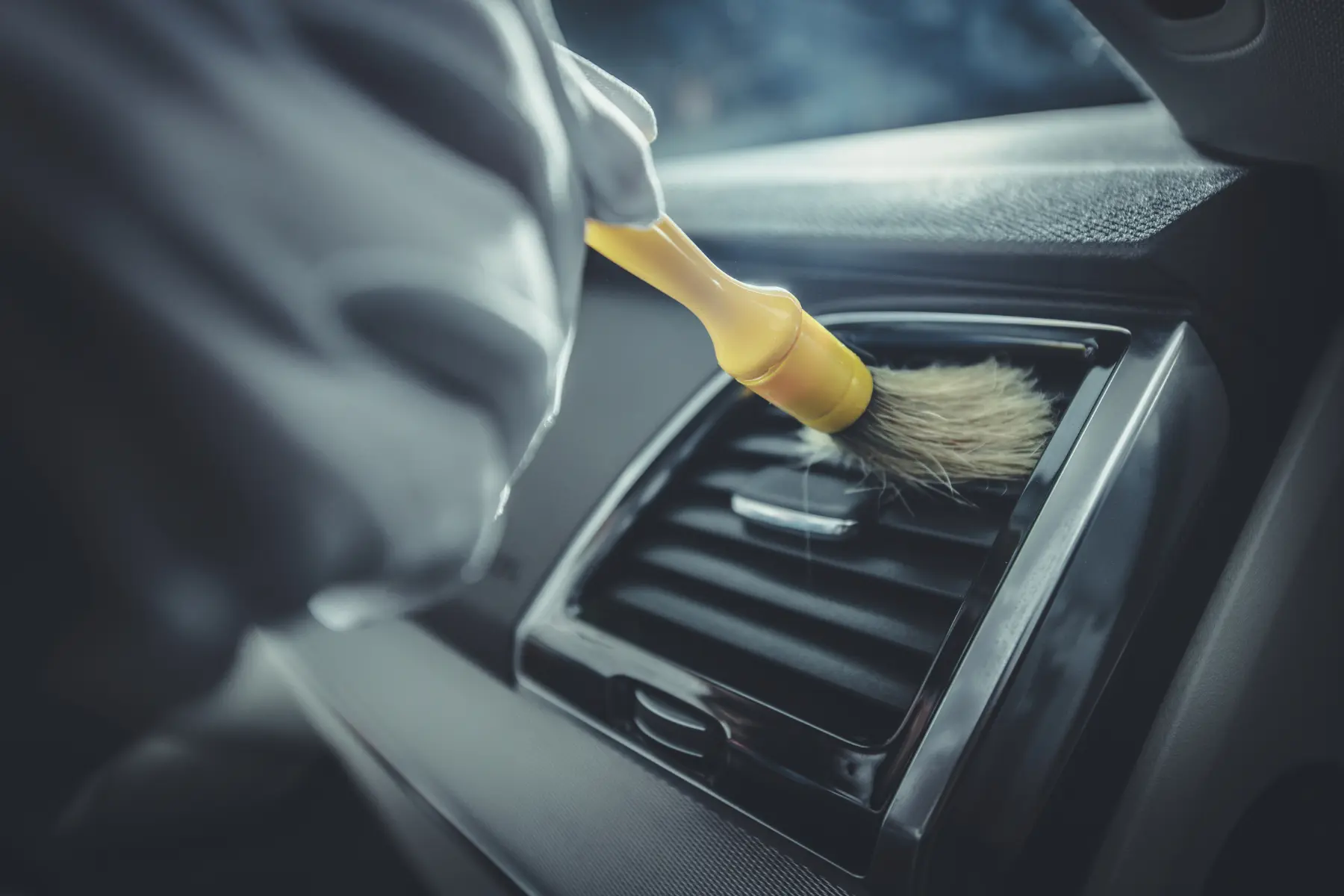

DIY vehicle repair has surged in popularity for several reasons. It provides an empowering sense of independence and control over the maintenance of your vehicle, ensuring you’re not entirely reliant on professional mechanics for every minor issue. Additionally, learning car maintenance at home can lead to considerable cost savings, as labor charges often constitute a significant portion of repair bills. Beyond the financial benefits, there’s a deep sense of pride and satisfaction that comes from completing repairs on your own. This guide aims to equip you with essential tips, strategies, and knowledge to tackle car repairs and maintenance from your own garage confidently.
Selecting Auto Parts for Repair
Understanding Car Part Compatibility
Compatibility is key when selecting parts for car maintenance. Each vehicle model may have specific part requirements, so it’s essential to understand the specifications and compatibility of parts for your particular car. This knowledge prevents the frustration of purchasing incorrect parts and helps ensure that your repairs are effective and efficient.
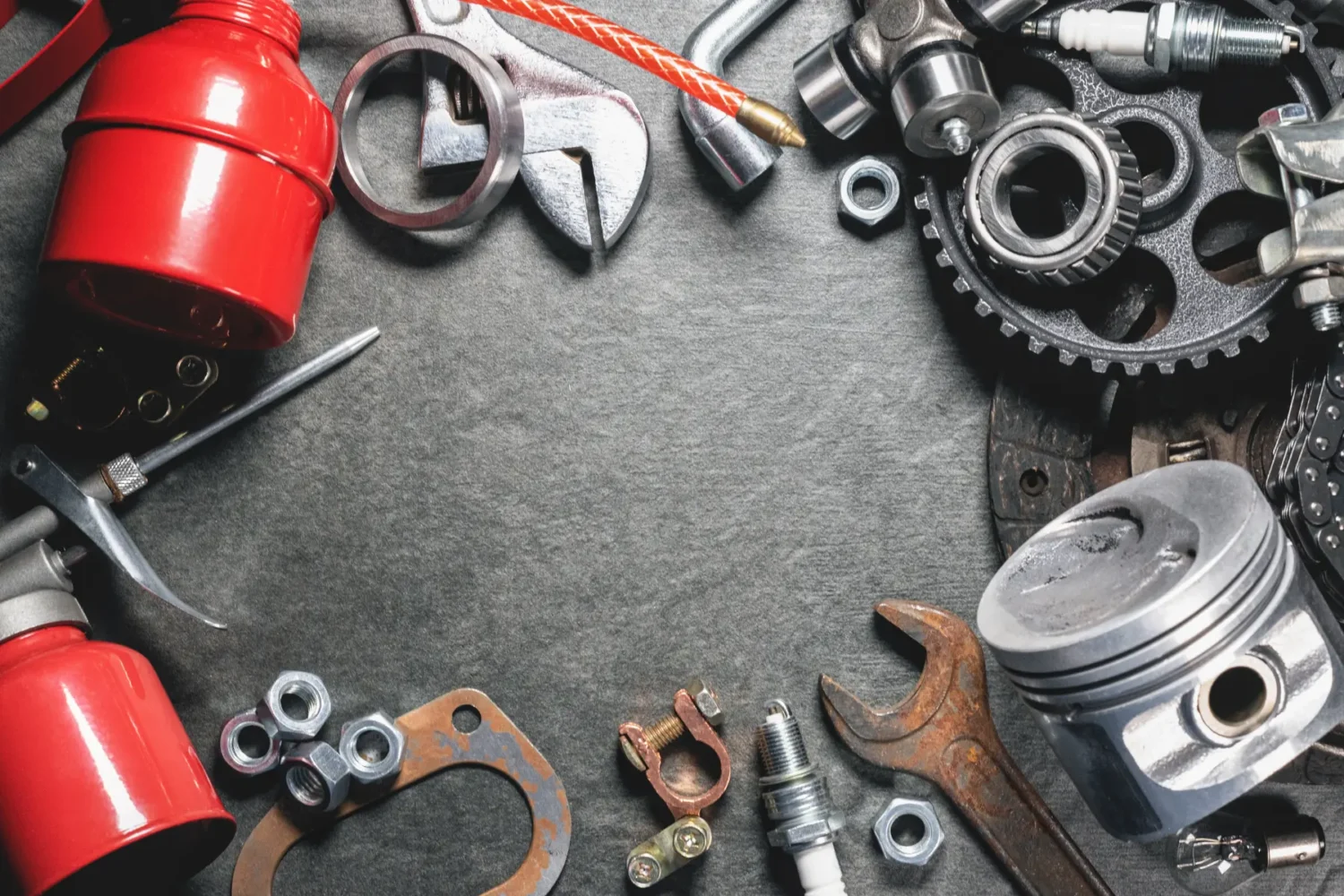
Online vs. Local Suppliers: Where to Buy
When deciding where to purchase, whether online or from local suppliers, it’s important to weigh the advantages each option offers. Online shopping has revolutionized how we buy, offering unparalleled convenience and a vast selection. Meanwhile, local suppliers provide invaluable immediate support and contribute significantly to the local economy. Understanding the specific benefits of each can help you make informed decisions. Here’s a look into the pros of buying from online vs. local suppliers:
- Convenience and Selection: Online shopping stands out for its incredible convenience. You can browse a vast array of products from the comfort of your home, comparing prices and specifications across different platforms. This wide selection ensures you can often find exactly what you need, including rare or specialized items, without the limitation of local stock availability. Additionally, the convenience of home delivery simplifies the purchasing process, especially for bulky or heavy items.
- Expert Advice and Immediate Availability: Local suppliers shine when it comes to offering expert advice and immediate product availability. Walking into a local store allows you to have real-time conversations with knowledgeable staff who can provide tailored recommendations based on your specific needs. This personal touch can be invaluable for complex purchases where expertise is crucial. Moreover, the ability to immediately take home your purchase eliminates the wait time associated with online orders, a significant advantage for urgent needs.
- Cost Considerations: Online parts may often be cheaper than those found in local stores due to the lower overhead costs of online businesses. However, this price advantage can sometimes be offset by shipping costs, especially for expedited delivery. Local suppliers, while potentially more expensive for the part itself, save you on shipping time and costs, and there’s no risk of receiving the wrong item or dealing with returns.
- Supporting Local Businesses: Purchasing from local suppliers supports your local economy, contributing to job creation and keeping money within your community. It also allows you to build beneficial relationships with local merchants, which can be invaluable for future needs or when seeking advice and support. These relationships can lead to personalized service and potential discounts or perks not available online.
Both options have their place in a comprehensive shopping strategy, and many consumers find that a mix of both online and local purchasing provides the best of both worlds. By considering your specific needs, the urgency of the purchase, and your values regarding local economic support, you can make the choice that best suits your circumstances.
Quality Parts for Car Maintenance
Importance of High-Quality Maintenance Parts
Quality should never be compromised when purchasing auto parts for repair. High-quality parts ensure that your vehicle operates at peak efficiency, reduce the risk of premature failure, and maintain the vehicle’s safety standards. Investing in superior components can lead to fewer mechanical issues down the line, saving you both time and money on potential repairs. Moreover, using quality parts helps in retaining the vehicle’s value over time, making it an essential consideration for every car owner. It’s not just about the immediate performance boost; it’s about securing the long-term health and functionality of your car.
Regular Replacement Items
Maintenance is key to extending the life and ensuring the reliability of your vehicle. By staying on top of the replacement schedule for certain items, you can prevent minor issues from escalating into major, costly repairs. Regular checks and replacements of specific components can significantly contribute to your vehicle’s performance, safety, and efficiency. Certain items require frequent inspection and replacement to prevent larger issues:
- Filters: Your vehicle relies on various filters to protect engine components and other systems from contaminants. Regular replacement of the oil, air, and fuel filters is essential for maintaining engine efficiency and preventing premature wear and tear. The oil filter ensures that the lubricating oil remains free of contaminants that can harm the engine. The air filter prevents debris from entering the engine’s combustion chambers, and the fuel filter keeps contaminants from clogging the fuel injectors. Neglecting these filters can lead to reduced performance, increased fuel consumption, and higher emissions.
- Belts: The timing belt and serpentine belt are crucial for the smooth operation of your engine and its ancillary systems. The timing belt synchronizes the crankshaft and camshaft rotation, ensuring that the engine’s valves open and close at the correct times. The serpentine belt, on the other hand, drives multiple peripheral devices such as the alternator, power steering pump, and air conditioning compressor. Failure of these belts can result in engine damage, loss of vehicle functionality, and potentially expensive repairs.
- Fluids: Fluids play vital roles in the operation and protection of your vehicle’s systems. Engine oil lubricates moving parts to reduce friction and wear; coolant regulates engine temperature to prevent overheating; brake fluid transmits force to stop the vehicle; and transmission fluid ensures smooth gear shifts. Over time, these fluids degrade and may become contaminated, diminishing their effectiveness and potentially damaging the systems they are designed to protect.
By adhering to a consistent maintenance schedule, vehicle owners can ensure their car remains in peak condition, offering reliable performance and preventing the development of serious issues that could sideline the vehicle and lead to significant repair bills. This proactive approach to vehicle care not only saves money in the long run but also contributes to the safety and enjoyment of your driving experience.
Essential Tools for DIY Car Mechanics
Basic Hand Tools For Car Mechanics
The foundation of any DIY vehicle maintenance toolkit is a comprehensive set of hand tools. These basic yet versatile tools are indispensable for a wide range of tasks, from simple adjustments to more involved repairs. A well-equipped toolkit should include screwdrivers of various sizes and types for different screws encountered in automotive work. Wrenches, including adjustable, torque, and a set of combination wrenches, are crucial for tackling bolts and nuts. Pliers, too, are essential for gripping, bending, and cutting, while a hammer can be useful for tasks requiring a bit of force.
Advanced Tools for Specific Repair Jobs
As you delve deeper into DIY auto troubleshooting and repairs, you’ll find that certain jobs require more specialized tools. For instance, an automotive stethoscope can help diagnose engine and bearing issues, while a vacuum pressure gauge can test for leaks and fuel pump efficiency. Investing in a digital multimeter allows for precise measurements of voltage, current, and resistance, essential for electrical repairs. For those looking to tackle suspension work, a spring compressor can be invaluable. These advanced tools enable you to expand the range of repairs you can confidently handle, elevating your DIY car repair guide to professional levels.
How to Rent an Auto Repair Shop Space or Equipment
Understanding the process and important considerations ensures a smooth, productive experience. Here are the key steps and factors to keep in mind when renting shop space or equipment like car lifts:
- Research Local DIY Auto Repair Facilities: Start by identifying reputable DIY auto repair shops in your area that offer workspace and equipment rentals. Check their websites or contact them directly to learn about the types of equipment provided, rental rates, and any membership requirements. Comparing multiple locations helps you find a shop that fits your needs, budget, and skill level, ensuring you have access to the right resources for your project.
- Understand the Reservation and Rental Process: Most DIY auto repair shops require you to reserve your workspace or equipment in advance, either online or by phone. Review the booking system to determine availability and select a time slot that matches your project’s expected duration. Be aware of rental terms, including minimum rental periods, cancellation policies, and required deposits. Some facilities offer hourly, daily, or even weekend rates, so consider which option best aligns with your repair plans. Early booking is recommended, especially during peak periods.
- Review Safety Protocols and Facility Rules: Before your rental, familiarize yourself with the shop’s safety guidelines and operational rules. Many facilities offer a safety orientation or require you to sign a liability waiver before granting access to equipment, such as car lifts. Pay close attention to the instructions regarding the proper use of equipment, personal protective gear, and emergency procedures. Adhering to these rules not only ensures your safety but also protects the facility’s equipment and maintains a positive environment for all users.
- Plan Your Project and Bring Necessary Materials: Arrive prepared by outlining the repair tasks you intend to complete and bringing any parts or specialty tools not provided by the shop. While most facilities provide basic hand tools and some advanced equipment, you may need to supply additional items such as fluids, filters, or specific replacement parts. Organizing your materials in advance maximizes your rental time and helps prevent delays. If you’re unsure what’s included, contact the facility ahead of time for a detailed list of available tools and amenities.
By following these steps and considerations, you can maximize your time at a DIY auto repair facility. Proper planning, clear communication, and a focus on safety will help ensure a productive and enjoyable experience, whether you’re tackling routine maintenance or a more ambitious repair project.
Step-by-Step Car Repair Guide
Detailed Instructions for Routine Repairs
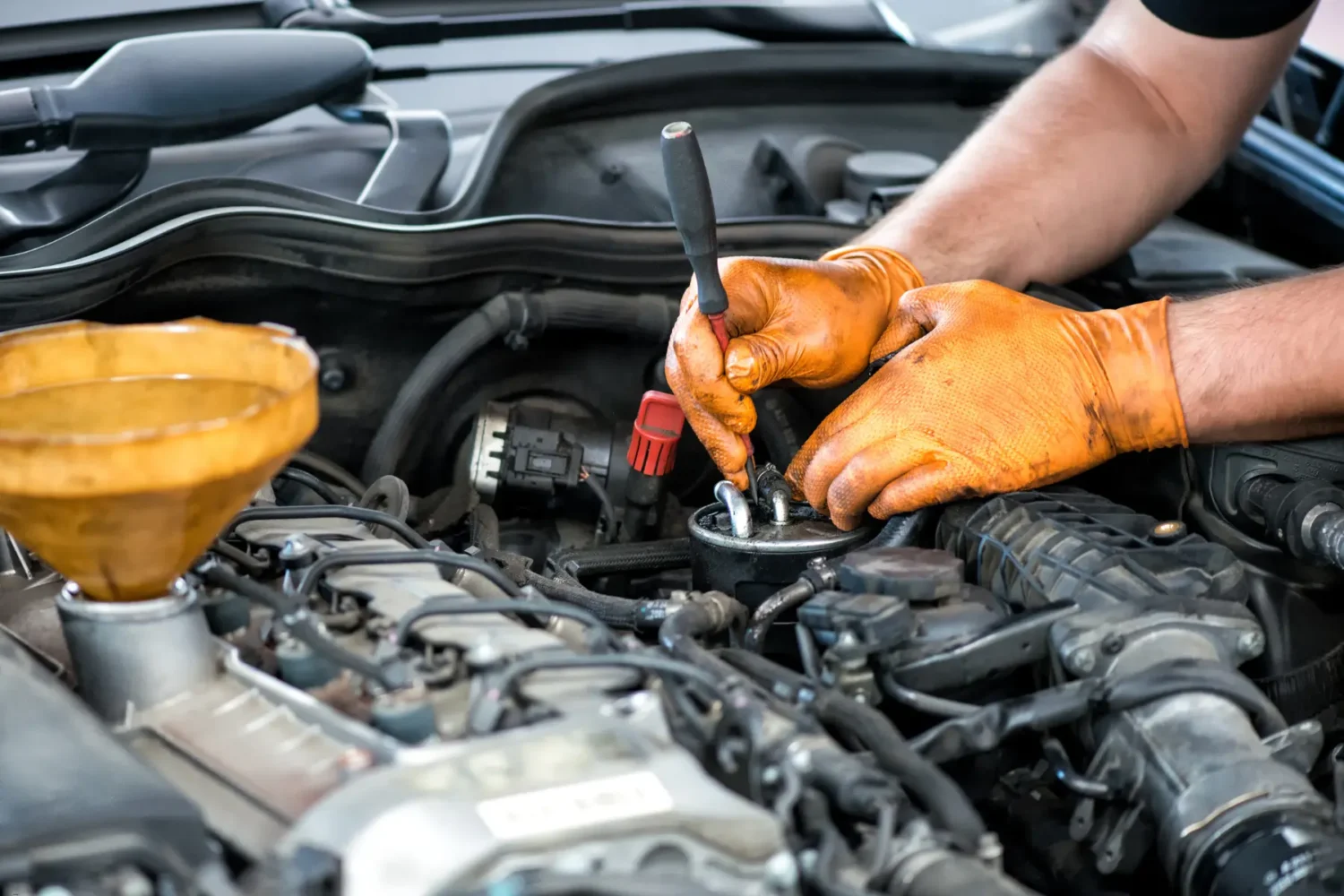
For many DIY car mechanics, following detailed instructions for routine repairs can explain the process and ensure tasks are completed correctly. Whether it’s changing spark plugs or replacing a timing belt, having a clear, step-by-step car repair guide is invaluable. These guides can often be found in your vehicle’s service manual, reputable automotive repair websites, or online videos. Each step, from the tools required to the torque specifications for bolts, is crucial to ensure the repair is done safely and effectively.
Troubleshooting Tips During Repair Processes
DIY auto troubleshooting is an essential skill that develops with experience. Recognizing when something isn’t right during a repair, such as a part not fitting as expected or a tool not working properly, is crucial. Learning to troubleshoot on the fly—whether it means double-checking a part number for compatibility, ensuring all connections are secure, or verifying that all necessary components are accounted for before reassembly—can save time and prevent issues down the line.
Car Lift Rental for DIY Repairs
A car lift is a mechanical device designed to raise a vehicle off the ground, providing easy and safe access to its underside. In the context of DIY auto repair shops, car lift rentals allow individuals to temporarily use professional-grade equipment without the significant investment of purchasing and installing a lift in their garage. These facilities rent out garage bays equipped with hydraulic or electric lifts, often alongside a selection of tools, workbenches, and safety gear, creating an environment where DIYers can work efficiently and confidently.
The process of renting a car lift at a DIY auto repair shop is straightforward. First, you typically reserve a time slot online or by phone, specifying the type of repair you plan to undertake. Upon arrival, the shop staff will guide you through safety protocols and demonstrate how to operate the lift, ensuring you’re comfortable with its controls and aware of all safety measures. Most shops offer flexible rental durations, ranging from hourly to full-day or weekend rates, allowing you to choose the time frame that best fits your project. Some locations provide volume discounts for longer rentals or frequent users, making it cost-effective for ongoing or larger-scale repairs. Renting a car lift offers several significant benefits for DIY auto repairs. Most importantly, it enables safe and ergonomic access to a vehicle’s undercarriage, which is essential for tasks such as exhaust system work, brake repairs, suspension upgrades, and oil changes. Working with a car lift minimizes the physical strain and safety risks associated with using floor jacks and jack stands. In addition, having the vehicle elevated improves visibility and maneuverability, allowing for more precise and thorough repairs. The professional environment of a DIY auto repair shop also means access to expert advice, high-quality tools, and a community of fellow enthusiasts.
DIY Salvage Car Rebuild Projects: Unlocking New Opportunities for Enthusiasts
Salvage vehicles can often be acquired at a fraction of their pre-damage value. For individuals with the right skills and determination, this presents a unique opportunity: the chance to restore a vehicle to roadworthy condition, learn advanced repair techniques, and potentially save thousands compared to buying a similar car new or used. However, the complexity of salvage rebuilds, from initial inspection to sourcing parts and completing structural or cosmetic repairs, can be daunting.
DIY auto repair shops offer much more than just a place to work—they provide the essential infrastructure, tools, and community support needed to tackle challenging projects like salvage car rebuilds. Instead of struggling with limited space and inadequate equipment at home, individuals can rent a fully equipped garage bay, complete with professional-grade lifts, specialized tools, and workbenches. This access makes it feasible to perform extensive repairs, such as frame straightening, engine swaps, and bodywork, which would be nearly impossible in a typical residential garage. Many DIY shops also offer guidance on critical steps, such as salvage vehicle inspection, helping rebuilders understand what to look for when assessing a potential project.
Customer Experiences and Reviews
When considering whether to use a DIY auto repair shop, many people turn to customer feedback and reviews to calculate what the real experience is like. Reviews from fellow DIYers offer invaluable insights into the practicalities, atmosphere, and support provided by these facilities. The consensus among users is that DIY auto repair shops often provide a welcoming and empowering environment, especially for those who may not have access to specialized tools or a suitable workspace at home. Many customers appreciate the flexibility these shops offer, such as the ability to reserve bays and car lifts for specific time slots, which allows them to work at their own pace without feeling rushed. A recurring theme in customer reviews is the quality and availability of equipment. Users frequently mention that having access to professional-grade lifts, diagnostic tools, and a wide range of hand tools makes a significant difference in the ease and safety of performing repairs. Additionally, the presence of knowledgeable staff is often highlighted as a major benefit. These staff members are typically available to answer questions, offer advice, and assist with troubleshooting, which can be especially reassuring for those tackling unfamiliar repairs or complex projects.
Working alongside other car enthusiasts creates opportunities for sharing tips, learning new techniques, and even lending a hand when someone is in need. This collaborative environment not only enhances the repair experience but also fosters lasting connections among users who share a passion for automotive projects. On the practical side, customers frequently note the cost-effectiveness of using DIY auto repair shops compared to traditional repair services. By renting space and equipment, users can save on labor fees while still benefiting from a professional setting. Positive feedback often references the straightforward booking process, transparent pricing, and the cleanliness and organization of the facilities.
Home Auto Repair: Safety and Efficiency
Setting Up a Safe Repair Environment
This starts with ensuring your workspace is well-ventilated to avoid the buildup of harmful fumes, especially when working with chemicals or running the engine indoors. Adequate lighting is crucial to prevent accidents and ensure precision in your work. Electrical safety, including the use of grounded outlets and keeping electrical tools away from wet areas, further reduces the risk of injury.
Dealing with Automotive Fluids and Chemicals Safely
Always wear gloves and eye protection when dealing with substances like engine oil, coolant, and brake fluid to prevent skin irritation and protect against splashes. Dispose of used fluids and chemicals properly according to local regulations to protect the environment and avoid fines. Keeping absorbent materials on hand for spills and ensuring containers are tightly sealed when not in use are additional safety measures that should not be overlooked.
Emergency Procedures for DIY Repairs
Even with the best preparation, emergencies can occur during DIY vehicle maintenance. Having a fire extinguisher specifically rated for electrical and chemical fires within easy reach is a critical safety measure. Familiarize yourself with basic first aid for cuts, burns, and chemical exposure, and keep a well-stocked first aid kit in your garage. Knowing when to stop and seek professional help is also vital; if a repair escalates beyond your skill level or if a dangerous situation arises, it’s important to prioritize safety over completing the task yourself.
Car Maintenance Tips for DIY Enthusiasts
Seasonal Maintenance Routines
The changing seasons bring different challenges for vehicle maintenance. Preparing your car for these changes is key to DIY auto troubleshooting success. Before winter, it’s crucial to check your vehicle’s antifreeze levels and battery health to ensure it can withstand cold temperatures. Summer demands a check on the air conditioning system and tire condition, as heat can affect tire pressure and wear. Adapting your maintenance routine to the season not only protects your vehicle but also ensures it performs optimally year-round.
Keeping Maintenance Records
Documenting each maintenance task and repair performed on your vehicle is invaluable. Keeping detailed records, including dates, the nature of the work done, and any parts for car maintenance used, helps track your vehicle’s health over time. This documentation can be beneficial for diagnosing future issues, selling the vehicle, or simply keeping track of scheduled maintenance tasks.
At-Home Vehicle Repair: Workspace and Storage
Space-saving Tips for Small Garages
Not everyone has the luxury of a large garage, but even in smaller spaces, there are effective ways to organize your DIY car garage equipment. Vertical storage solutions, such as tall shelving units, can maximize wall space without taking up valuable floor area. Foldable or collapsible workbenches offer a sturdy work surface when needed and can be tucked away after use. Additionally, tools and equipment on wheels, such as tool chests and portable lifts, can be moved as required, making the most of the available space.
Maintaining a Clean and Organized Workspace
Regularly cleaning up spills, especially those involving automotive fluids, prevents accidents and maintains a healthy environment. End-of-day routines, like returning tools to their designated spots and disposing of waste, ensure that your workspace is ready for the next project.
As we conclude this guide, remember that DIY auto repair is about more than just fixing cars—it’s about taking control of your automotive destiny, one repair at a time. Whether you’re a novice just starting or a seasoned mechanic looking to expand your capabilities, the road to mastery is paved with the knowledge, skills, and experiences you gather along the way.
About JC Whitney Editorial Team